Hotel Le Marianne

What to do in the Champs-Élysées district: our guide to the 8th

What to do in the Champs-Élysées district when you have a day, a weekend or a longer trip in Paris? Between the Arc de Triomphe and the place de la Concorde, this part of the 8th arrondissement of Paris brings together the most famous monuments in France, the luxury boutiques of the great French fashion brands, the Grand Palais and the Petit Palais, museums, theaters, gardens and gastronomic restaurants.

The most beautiful avenue in the world is only a starting point: around it unfolds a route of cultural discoveries, art exhibitions, shows and strolls down to the Seine. Read on for our travel guide to the landmarks to see, the experiences worth your time and the addresses worth booking, all a few minutes on foot from Hôtel Le Marianne, in the heart of Paris.
The historic axis, from the Arc de Triomphe to the place de la Concorde

Running for almost two kilometres, the axis linking the place Charles de Gaulle to the place de la Concorde is the first route any visitor should walk. This historic thoroughfare was no accident: it was drawn in 1670 by André Le Nôtre for King Louis XIV, then extended over the centuries as far as La Défense. Parisians call it the axe historique, and this continuity of stone, light and greenery remains one of the most admired city plans in the world. The name itself comes from the Elysian Fields of Greek mythology, the resting place of heroes.

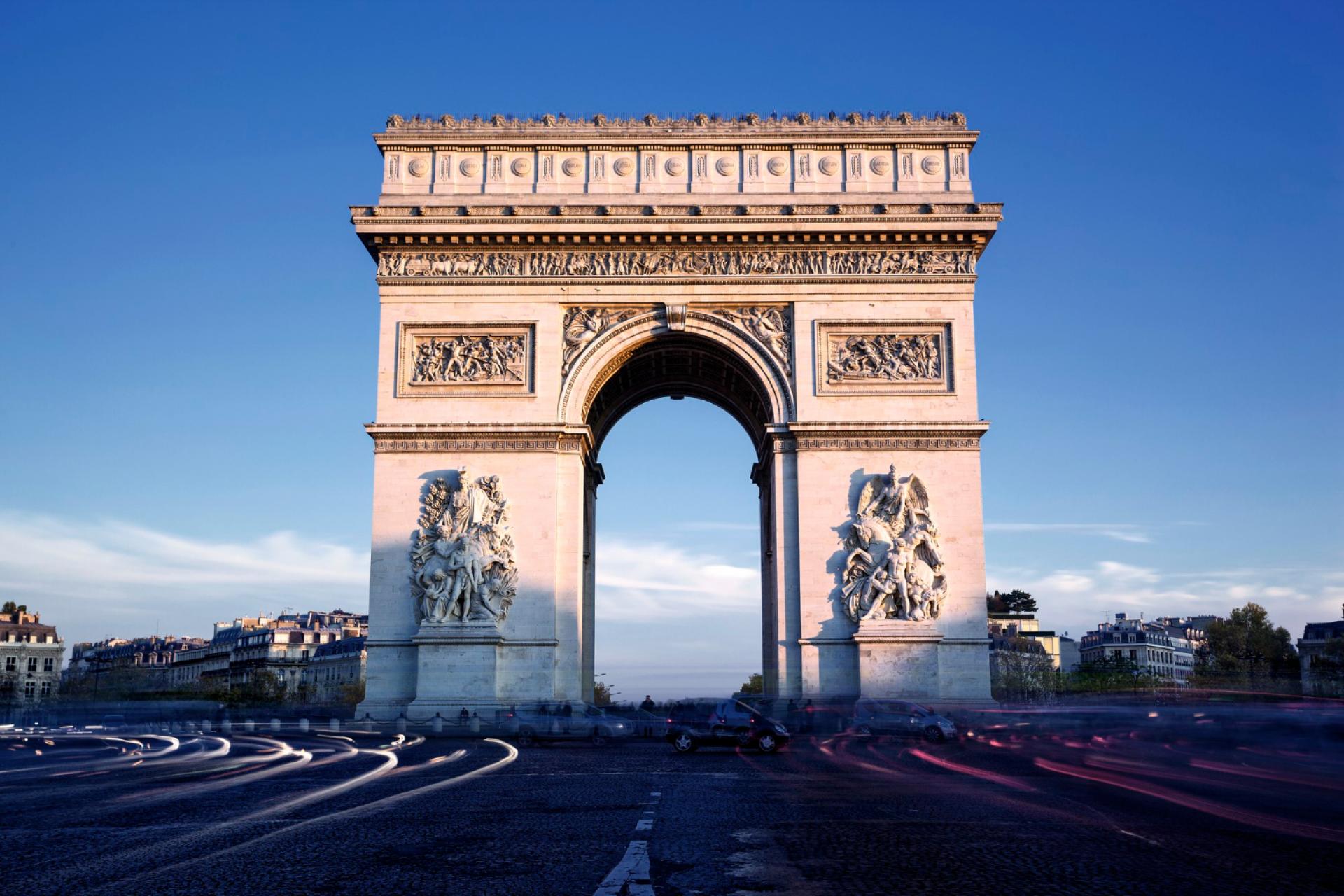
Start with the Arc de Triomphe. The climb, around 280 spiral steps, leads to the terrace for panoramic views over the twelve avenues radiating out from the star-shaped square below, which is how the place earned its old name, place de l'Étoile. Beneath the vault lies the Tomb of the Unknown Soldier, its flame rekindled every evening at half past six without interruption since 1923. The best moment to go up is late afternoon, when the Eiffel Tower stands out in the golden haze and the traffic begins tracing concentric circles at your feet. Buy your ticket in advance during high season.

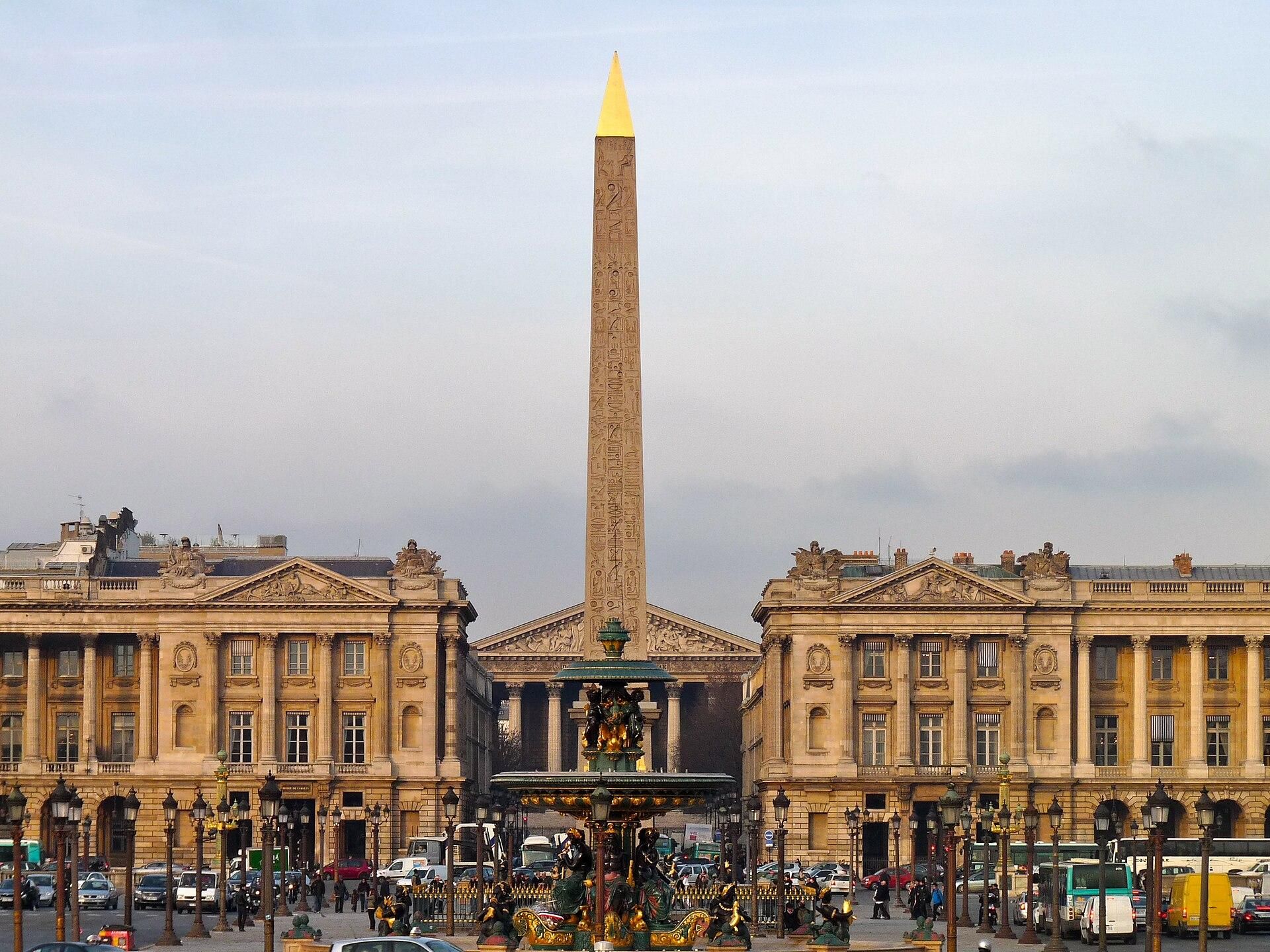
Walk down the avenue to the Rond-Point des Champs-Élysées, then on to the Concorde and its Luxor obelisk, more than three thousand years old. This square carries a heavier history: during the French Revolution it was called place de la Révolution, and it was here that Louis XVI was executed in January 1793. From the Concorde, the Tuileries gardens open in a straight line towards the Louvre. The whole stroll takes about an hour at an unhurried pace, and it costs nothing at all.

The Grand Palais and the Petit Palais, two monuments of the Universal Exposition

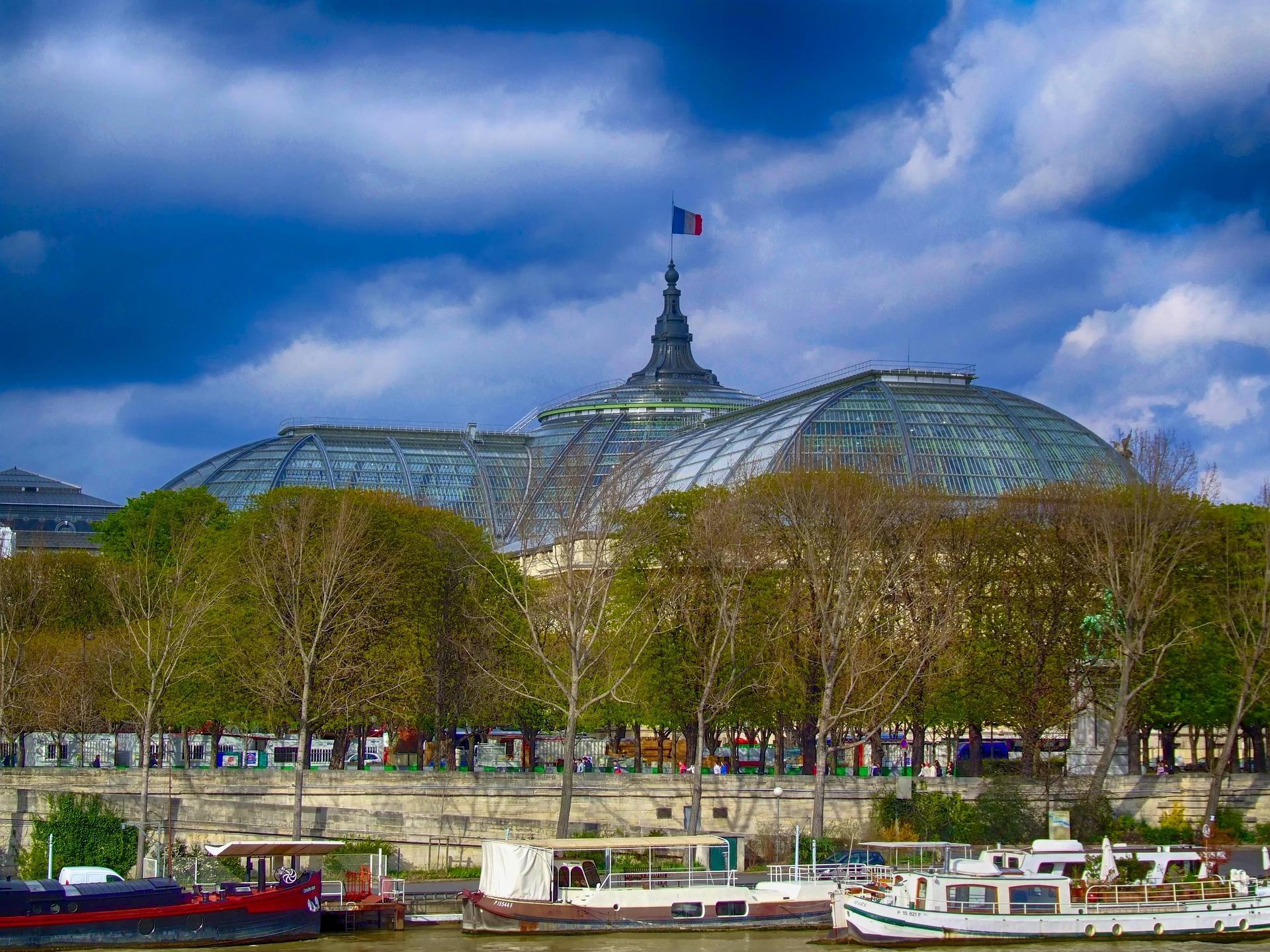
Facing one another across avenue Winston-Churchill, these two buildings were built for the 1900 Universal Exposition, at the height of the Belle Époque. The Grand Palais and its vast nave, crowned by a glass roof of iron and steel, host the capital's major cultural events. This autumn, the Galeries nationales present Cezanne et nous, from 23 September 2026 to 17 January 2027: close to one hundred and eighty works placing Paul Cezanne's painting alongside that of the artists who took him as inspiration, from Gauguin and Picasso through to contemporary creation. Ticket sales open well ahead, and the opening weeks are the busiest.

The Petit Palais houses the Museum of Fine Arts of the City of Paris. Its best feature is not widely known among tourists: free entry to the permanent collections all year round. In the impressionist room on the garden level hangs Monet's Sunset on the Seine at Lavacourt, painted in 1880, alongside works by Courbet, Sisley and Pissarro. Take the time to see the painted cupolas, then pause in the semicircular interior garden, with its mosaics, palm trees and a cafe tucked under the arcades. A temporary exhibition devoted to Eva Gonzalès opens there on 15 September 2026.

Travelling with children? The Palais des enfants, housed within the Grand Palais, offers a playful, hands on trail suitable from the age of two. The full return of the Palais de la Découverte, the Parisian temple of science founded in 1937, is announced for March 2027.

Shopping, luxury boutiques and major stores

The golden triangle formed by avenue Montaigne, avenue George V and the Champs-Élysées holds the densest concentration of couture houses in the city. At 30 avenue Montaigne, Dior occupies its historic ateliers alongside La Galerie Dior, a museum space retracing seventy-five years of French creation through gowns, sketches and archives. Book the ticket online and go early if you want to avoid the queue.

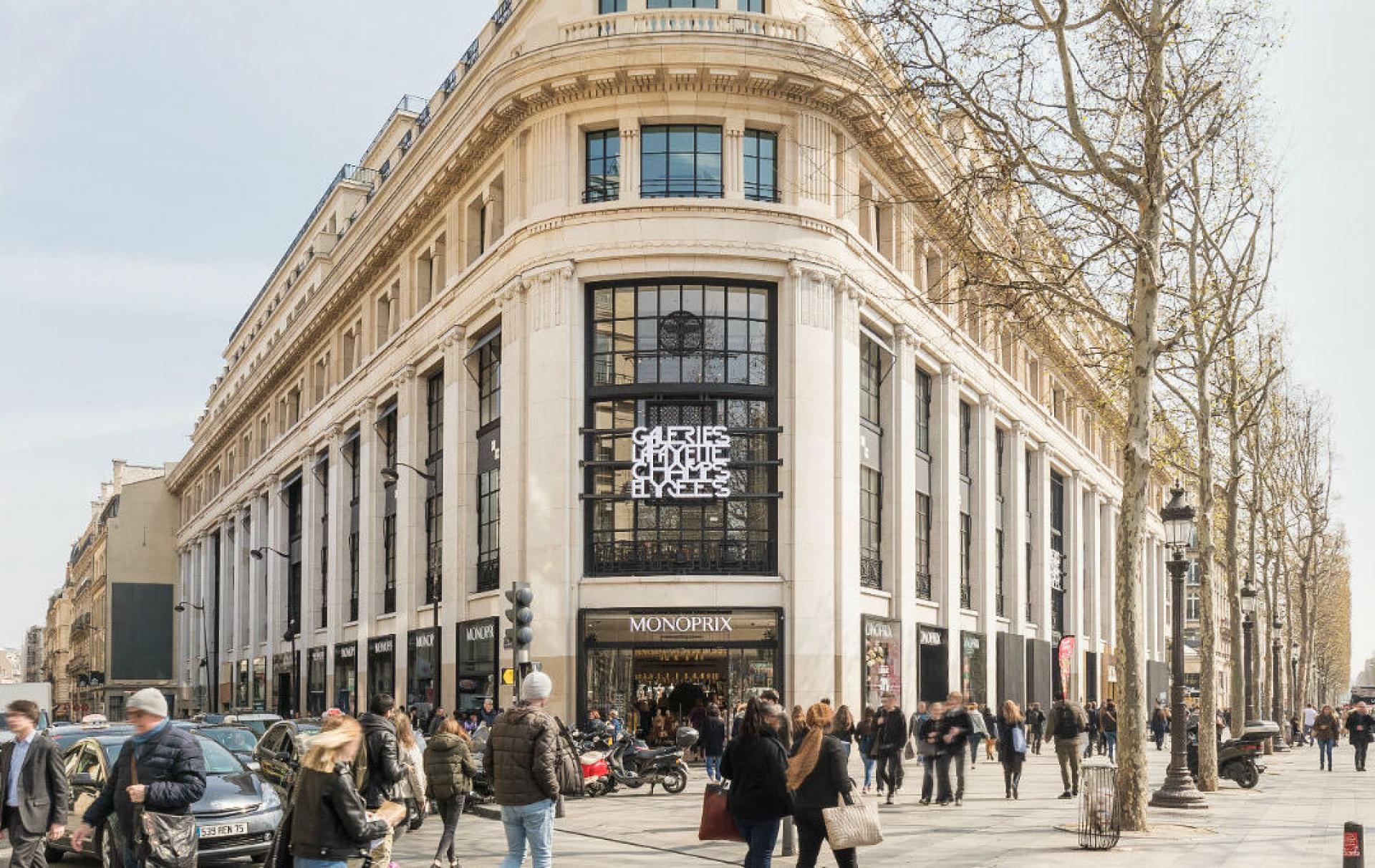
On the avenue itself, the names run from number 101, where Louis Vuitton fills a monumental flagship store, to number 68, home to Guerlain since 1914 and still one of the most elegant facades on the avenue. At number 60, Galeries Lafayette Champs-Élysées has taken over an Art Deco building of six thousand five hundred square metres, conceived somewhere between a department store and a concept store: French labels, niche perfumes, beauty products, homeware and a food court across four floors. The shop even runs its own book club with a Paris publisher. Most of these addresses stay open on Sundays, which makes this one of the rare shopping streets in Europe accessible seven days a week.

A few streets north, rue du Faubourg Saint-Honoré offers a more discreet experience, with jewellers' windows, art galleries and fashion houses installed in former private mansions.

Gourmet breaks, terraces and tables in the district

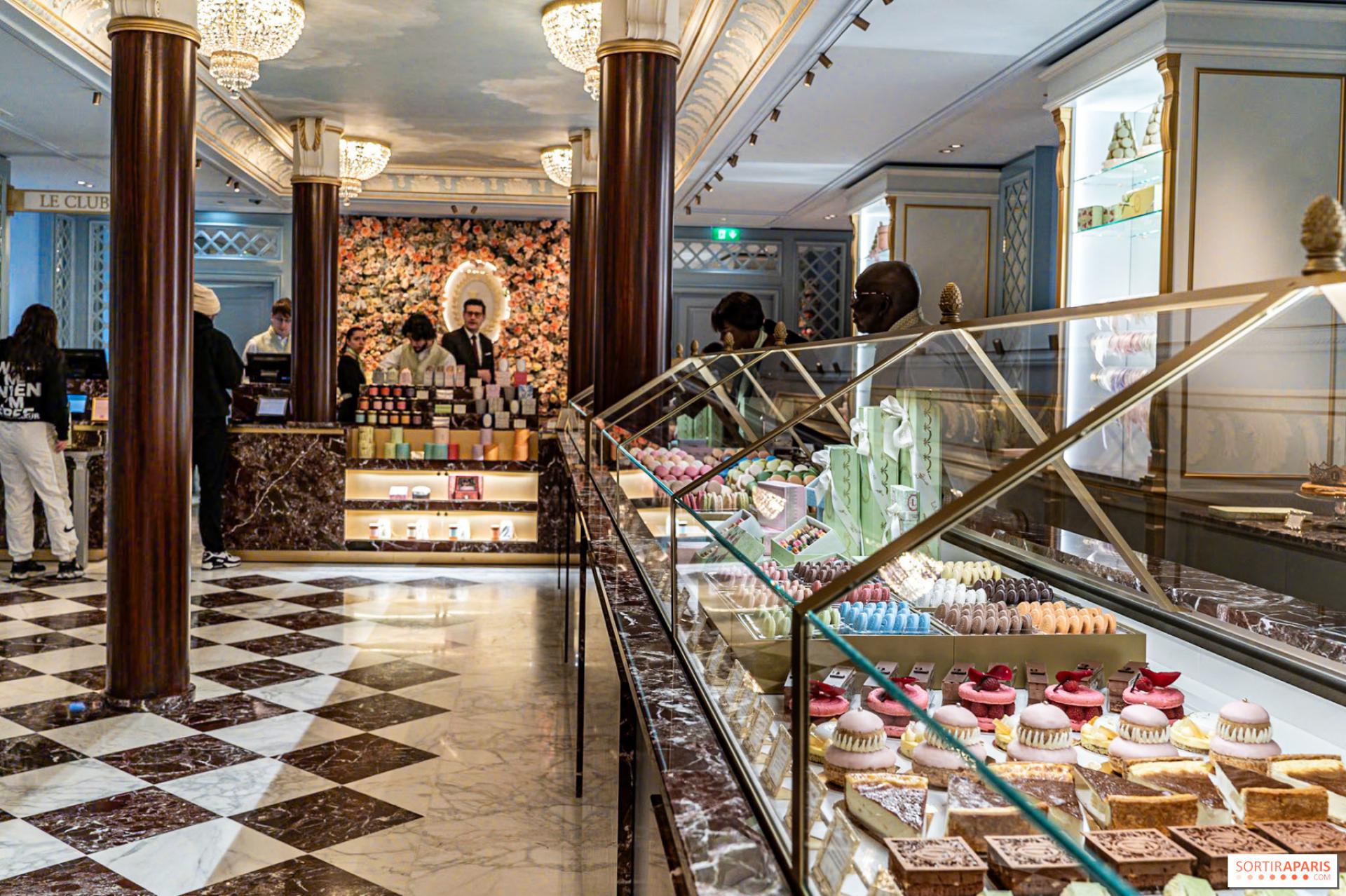
Crossing this neighborhood without stopping is nearly impossible. At 75 avenue des Champs-Élysées, Ladurée continues a sweet tradition born in the nineteenth century: its macarons can be eaten in a salon with painted ceilings, or carried off to a bench in the nearby gardens. Further down, on the corner of avenue George V, Fouquet's has kept its red awnings since 1899, and its ground floor room has been a listed historic monument since 1990. The brasserie has long been tied to French cinema, and still hosts the traditional dinner after the César Awards each year. The other brasseries along the avenue serve classic French cuisine from midday until late, with readable menus and heated terraces for much of the year.

For a more gastronomic dinner, the district counts several starred tables, often hidden behind sober facades on quiet cross streets. The atmosphere is hushed, the service precise. Our concierge team knows these addresses well and will happily handle reservations, including the hardest tables to secure.

Prefer something livelier? The cafes of rue de Ponthieu and rue Pierre Charron fill with office regulars at lunchtime, then turn into busy bars in the evening. Near the top of the avenue, the Publicis Drugstore combines a restaurant, a bar and shops under one roof and stays open far later than most of the district. Take a table on the pavement at the end of the day: the wide terraces of the Champs-Élysées remain the best spot in the 8th for people watching, and the vibrant atmosphere lasts well into the night.

Shows, cinema and evenings on the most beautiful avenue in the world

At 116 bis, the Théâtre du Lido has traded its legendary cabaret revue for international musical theatre, performed in the original language with French surtitles. The new season welcomes Singin' in the Rain from 17 September 2026, directed by Robert Carsen. A few steps away, at 12 avenue George V, the Crazy Horse continues its choreographed tableaux of light and artistic nude in an intimate venue known around the world.

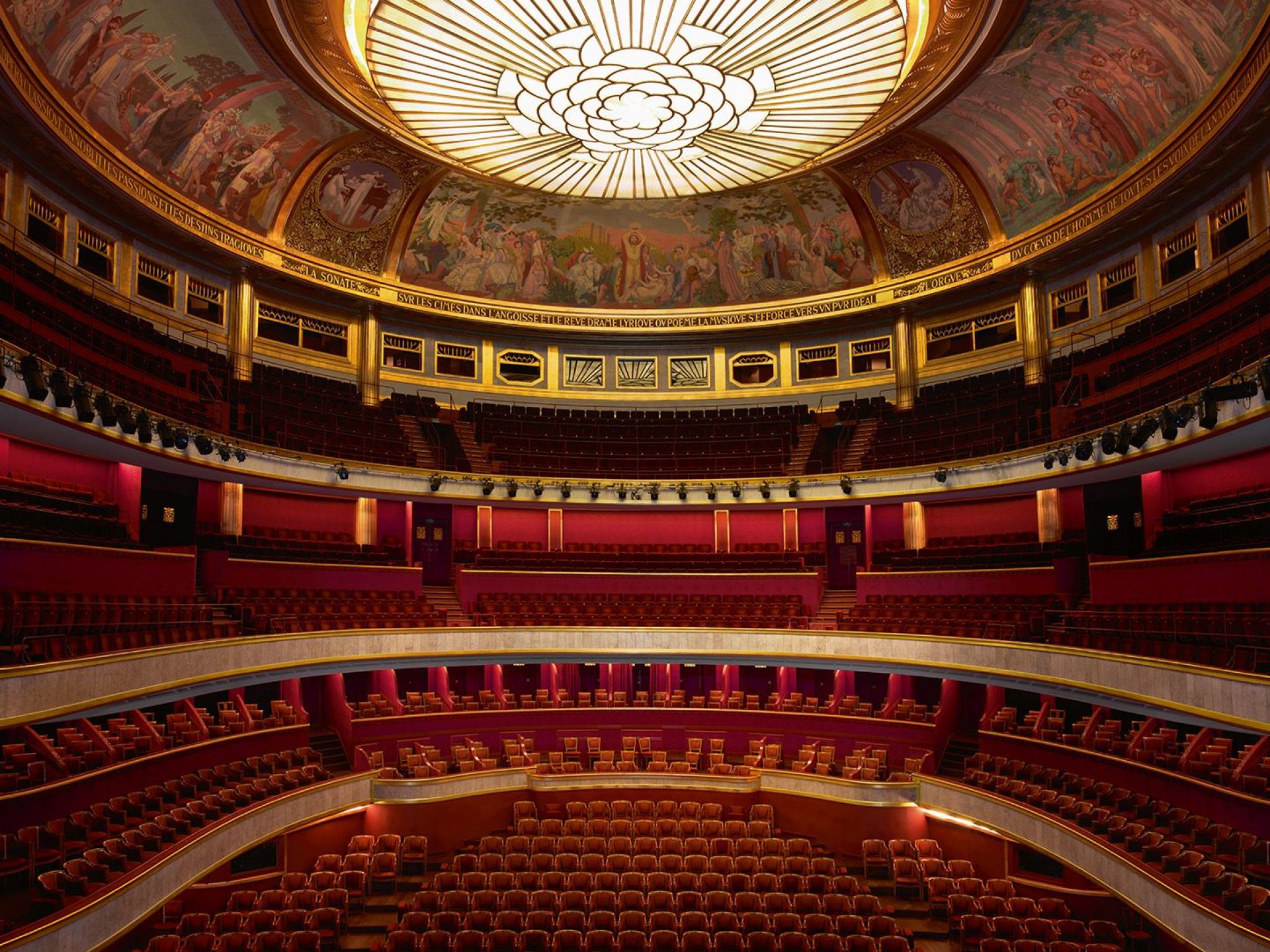
Classical music lovers should head to 15 avenue Montaigne. The Théâtre des Champs-Élysées, inaugurated in 1913, hosts orchestras, recitals and opera. It was on this stage that Stravinsky's Rite of Spring caused an uproar on the evening of 29 May 1913: the audience whistled so loudly that the dancers could no longer hear the orchestra. The story is still told in the corridors.

As for film, the avenue keeps several screens, and Le Balzac on rue Balzac has shown auteur programming in a preserved setting since 1935. A late afternoon screening remains one of the most enjoyable ideas in the district. And in summer the avenue takes on a different character altogether: the military parade of 14 July, Bastille Day in France, and later in the month the finish of the Tour de France, two celebrations worth planning a vacation around. Both are free to watch, provided you arrive early.

Gardens, the Seine and days out with the family

Between the Rond-Point and the Concorde lie the jardins des Champs-Élysées, redesigned in the 1860s under Napoleon III and overlooked by most visitors in a hurry. Shaded paths, bandstands, statues and the théâtre Marigny: this lower stretch of the avenue offers a genuinely quiet moment in the open air, at its best on a Sunday morning.

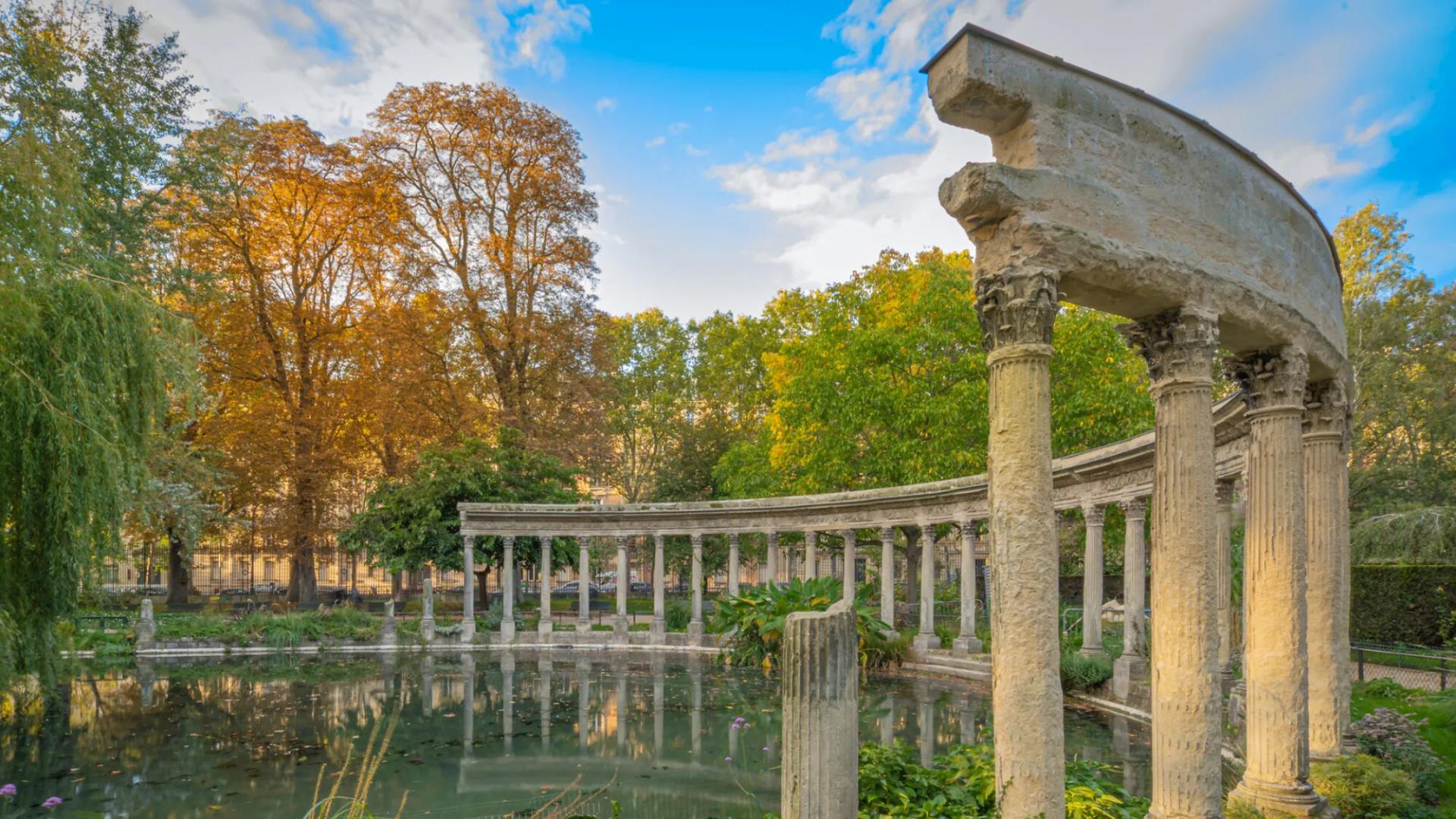
A little further north, the parc Monceau charms with its folly ruins, its rotunda and its lawns where Parisian families settle as soon as the weather turns. Children find playgrounds and a carousel, adults a true break between two visits.

Head down to the river by the pont Alexandre III, another legacy of 1900, with its lamp posts, bronze nymphs and gilded winged horses. From the foot of the pont de l'Alma, boats set off on guided cruises that pass beneath the Eiffel Tower and then skirt the Île de la Cité. An hour on the water is enough to understand the geography of Paris, and a stroll along the Seine afterwards is the simplest way to see why this is called the City of Light.

Hôtel Le Marianne, a discreet address on rue Paul Baudry

Behind its stone facade at 11 rue Paul Baudry, 75008 Paris, Hôtel Le Marianne is ideally located for this programme: the Champs-Élysées are minutes away, avenue Montaigne is a ten minute walk, and the Grand Palais and the Petit Palais around a quarter of an hour. Saint-Philippe du Roule station on metro line 9, along with Franklin D. Roosevelt and George V on line 1, connect the hotel to the rest of the capital, and Madeleine lies a short ride east in the same arrondissement.

Elegant rooms in the heart of the 8th arrondissement

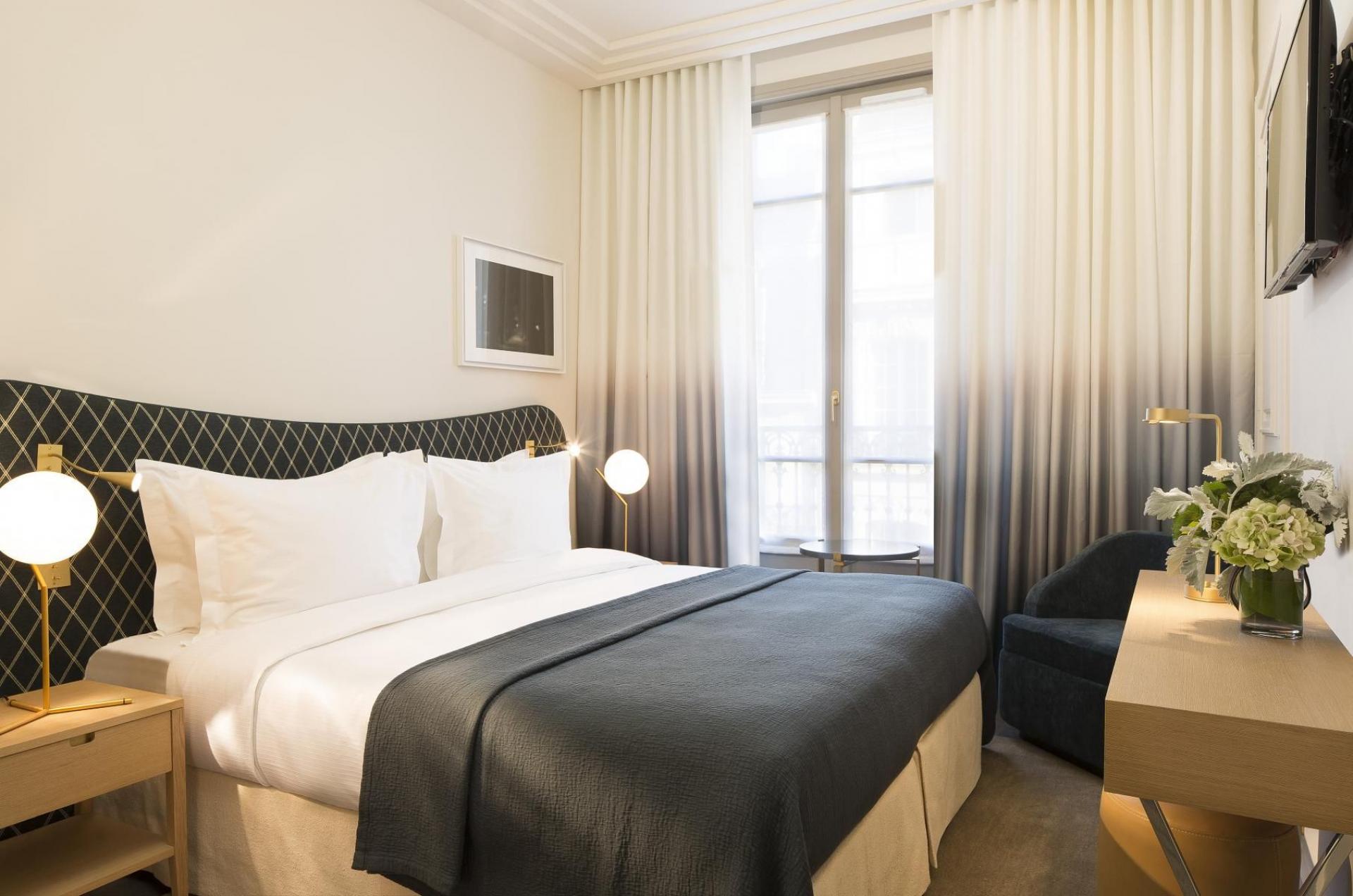
After a day of sightseeing, return to the comfort of one of the 31 air conditioned rooms at Le Marianne. Each room offers a warm atmosphere, refined design and high-end details: noble materials, soft tones, light wood, natural light and private bathrooms create a setting made for rest.

The Classic Room, with a view over the patio, welcomes travellers seeking calm, an ideal choice for short stays or professional trips. The Superior and Deluxe categories, more spacious, offer a patio or rue Paul Baudry view, with a balcony available as an option. For a family stay, the Family Room, made up of connecting rooms, accommodates up to four guests and suits parents travelling with children perfectly. All rooms feature air conditioning, welcome comfort for serene nights in every season.

The services that extend your day in the district

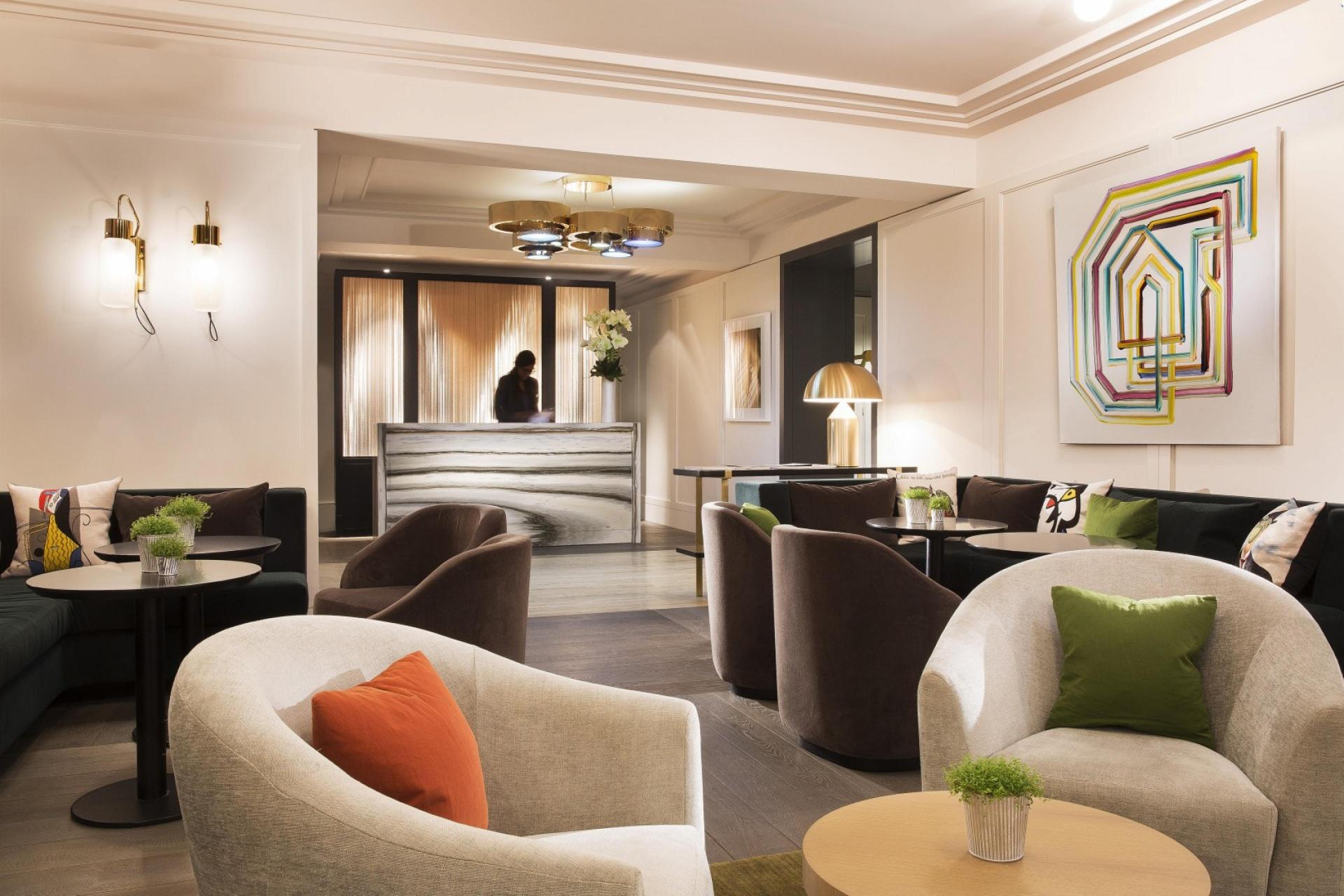
Breakfast is served each morning in a room opening onto the patio and its skylight. In the evening, the honesty bar stays open until two in the morning with a selection of champagnes, French wines and aperitifs, while room service offers a menu to enjoy in your room or in the lobby.

To recover, the hotel has an equipped sports room and a hammam open all year, available for private use on request. A secure car park can be booked in advance, wifi is free throughout the building, the reception is accessible to guests with reduced mobility, and the concierge desk can be reached by phone or email around the clock to arrange tailor made tours, transfers or cultural bookings.

Marianne - Accueil

Book your stay at Hôtel Le Marianne to explore the Champs-Élysées

A district where you move from an exhibition at the Grand Palais to a sunlit terrace, from a couturier's window to a cruise on the Seine, without once taking the metro: that is what the Champs-Élysées offers, and it is what you find again the moment you push open the door of Le Marianne. Enjoy a 4 star hotel with an elegant atmosphere, 31 beautiful rooms for peaceful nights and services shaped around your stay.

Booking on the official site gives you the best rate guaranteed, live availability, guest reviews and exclusive offers reserved for direct bookings.

Frequently asked questions about the Champs-Élysées district and Hôtel Le Marianne

  • Climb the Arc de Triomphe in the morning for the view, walk down the avenue to the Grand Palais and the Petit Palais, have lunch on a terrace, spend the afternoon shopping on avenue Montaigne, then reach the Seine by the pont Alexandre III for a cruise towards the Eiffel Tower or an evening show.

  • The Petit Palais, the Museum of Fine Arts of the City of Paris, whose permanent collections are free to enter and include a Monet. The Grand Palais and its temporary exhibitions. La Galerie Dior on avenue Montaigne. The Musée Jacquemart-André on boulevard Haussmann. The Louvre, one of the most iconic monuments in the capital, is a quarter of an hour away on foot through the Tuileries.

  • The Grand Palais presents Cezanne et nous from 23 September 2026 to 17 January 2027 in the Galeries nationales. The exhibition brings together close to one hundred and eighty works and places Paul Cezanne's painting in dialogue with that of the artists he influenced, from the nineteenth century to contemporary art.

  • The Palais des enfants at the Grand Palais offers a playful trail in a friendly atmosphere from the age of two. The parc Monceau has playgrounds and wide lawns. A Seine cruise works for every age, and the interconnecting rooms at Hôtel Le Marianne make travelling as a family straightforward.

  • Yes. Located at 11 rue Paul Baudry in the 8th arrondissement of Paris, the hotel is a few minutes on foot from avenue des Champs-Élysées, avenue Montaigne and the Faubourg Saint-Honoré. The metro stations Saint-Philippe du Roule, Franklin D. Roosevelt and George V all serve the address.